Why a Walking Pad Gives You Blisters When Outdoor Walking Never Did
Quick Answer: A walking pad blisters feet because every stride is identical — same surface, same angle, same foot strike, thousands of times — so friction concentrates on one spot instead of moving around as it does outdoors. Fix it with moisture-wicking socks (cotton is the main culprit), slightly looser lacing than for outdoor walking, and a speed and incline change every 20 minutes to move the contact point.
Outdoors: 8,000 steps, no problem.
Walking pad: 4,000 steps and a hot spot on the ball of your foot.
Same feet, same shoes. Different repetition.
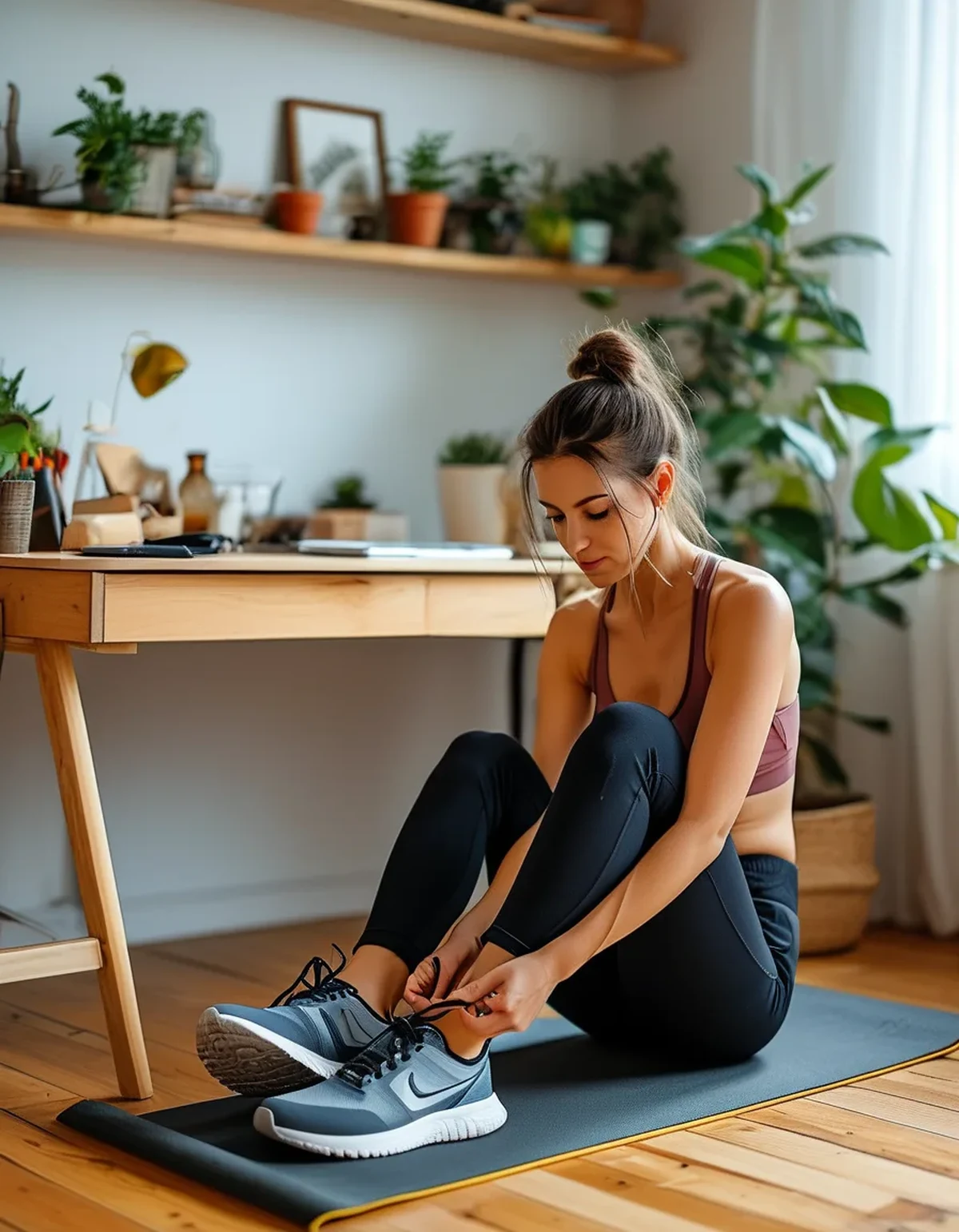
Why does an identical stride cause blisters?
Blisters form from repeated shear — the skin layers sliding against each other under pressure — plus heat and moisture. All three are elevated on a walking pad, and one of them is unique to it.
Outdoor walking varies constantly. Camber, kerbs, gradient, surface texture, turning, stopping at crossings. Every one of those small changes moves the pressure and shear to a slightly different patch of skin, which is why an outdoor 8,000 steps spreads the load across the whole foot.
A belt does not vary at all. Same flat plane, same belt speed, same stride length, same foot strike, several thousand times in a row. The shear lands in exactly the same place every single step, and skin fails at a repetition count, not a distance.
The pad is also warmer. Indoors, no airflow, often carpet underneath, and shoes that were designed for outdoor ventilation. Warm feet sweat more, and damp skin has a much higher friction coefficient than dry skin — this is the single biggest amplifier.
And your gait is different. Walking pad users typically take shorter, quicker steps than they would outdoors, especially while typing, which shifts more load onto the forefoot. The ball of the foot is the classic walking pad blister site for exactly that reason.
What socks and shoes actually stop it?
Five specifics, in order of how much they change.
Get out of cotton socks. Cotton absorbs and holds moisture against the skin, and damp skin blisters far more readily. Merino or a synthetic wicking blend is the single highest-value change on this list, and it costs less than a new pair of shoes.
Consider thinner socks, not thicker. The instinct is to add padding. Padding adds bulk that changes the fit and can increase movement inside the shoe. A thin, snug, well-fitting sock that does not wrinkle beats a thick one that does.
Lace slightly looser than you would outdoors, but not loose. Too tight causes pressure spots on a repetitive stride; too loose lets the foot slide, which is shear. Snug at the midfoot, room at the toes.
Use shoes with a flexible forefoot. Stiff soles designed for outdoor terrain fight the flat, repetitive walking pad stride. Many people find lighter, more flexible trainers far more comfortable on a pad than their outdoor walking shoes.
And keep a dedicated pair by the desk. Shoes worn all day outdoors are already damp inside when you step on. A dry pair used only for the pad stays dry for far longer, which is most of the battle.
Barefoot or socks-only on a pad is a bad idea — no support on a moving belt, and the belt surface itself is abrasive against bare skin over thousands of steps.
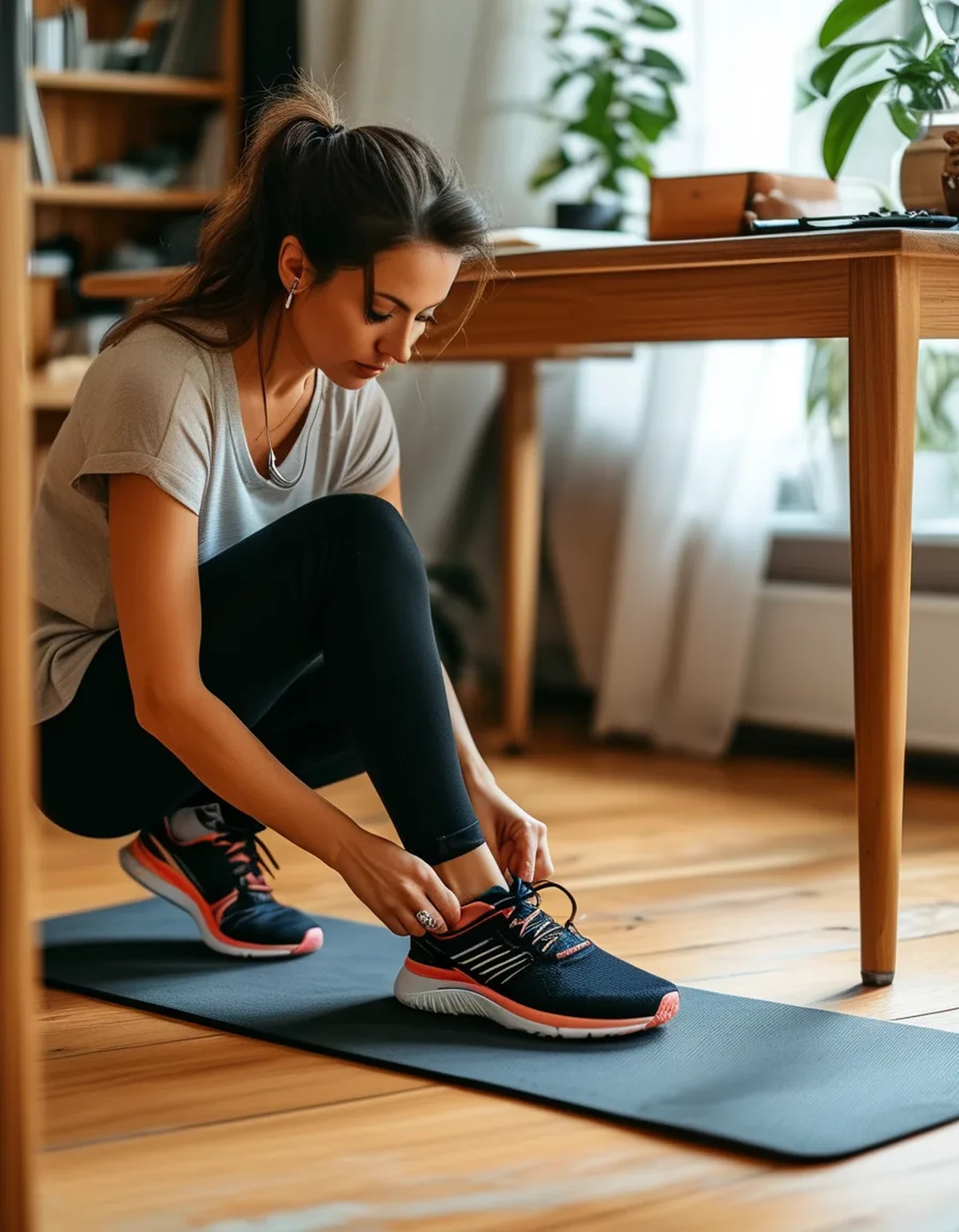
How do you break up the repetition?
This is the mechanism-level fix, and it is free.
Change the speed every 20 minutes. Even a shift from 3.2 to 4.0 km/h changes stride length and moves the contact pattern. Set a recurring timer if you will otherwise forget, which you will.
Add incline for a few minutes at a time, if your pad has it. Incline changes foot strike substantially — more forefoot, different ankle angle — so it redistributes the shear better than a speed change does.
Break the session into blocks. Three 30-minute walks with breaks beats a single 90-minute block, both for blisters and for everything else. Step off for two minutes every half hour, which also lets the shoes and socks release some moisture.
Vary your desk task. Typing produces a shorter, more upright stride than reading, and reading produces a different one again from being on a call. Alternating them naturally varies your gait.
And check the belt itself. A belt that has drifted off centre, or that has a worn patch, creates uneven friction. Belt maintenance is a comfort issue as much as a mechanical one.
5 Mistakes Everyone Makes With Walking Pad Foot Comfort
Wearing the shoes you have been in all day. Warm, damp, already broken down. A dedicated dry pair by the desk solves an astonishing share of walking pad foot complaints.
Waiting for the hot spot to become a blister. A hot spot is the warning, and it is completely reversible. Stop, change socks, tape the spot — a piece of kinesiology tape or a blister plaster on unbroken skin prevents the blister entirely.
Doing 90 minutes on day one. Skin adapts to repetitive shear the same way everything else adapts to load — gradually. Start at 30 minutes and build by about 10 minutes a week, and most people never blister at all.
Lacing tighter to stop the sliding. It usually converts a friction problem into a pressure problem, and you get a different injury in a different place. Fix the sock and the fit instead.
And ignoring the socks entirely because the shoes are expensive. The sock is the layer touching your skin, and moisture management is where blisters are won or lost. This is general information, not medical advice — anyone with diabetes or reduced foot sensation should check their feet daily and take any hot spot seriously rather than walking through it.
FAQ: Walking Pad Blister Questions, Answered
Why do I blister on the pad but not outside?
Outdoor terrain varies and moves the friction around. A belt repeats the identical stride thousands of times, concentrating shear on one spot.
What socks should I wear?
Merino or synthetic wicking, thin and snug. Cotton holds moisture and roughly doubles your blister risk.
Can I walk barefoot or in socks?
Not advisable. No support on a moving belt, and the belt surface abrades bare skin over long sessions.
How often should I change the speed?
Every 20 minutes, or add a few minutes of incline. Changing the stride moves the contact point.
Should I pop a blister?
Generally leave an intact blister covered and protected — the roof is a sterile barrier. If it is large or painful, or shows redness, warmth or pus, see a healthcare professional.
How long until my feet adapt?
Most people adapt within 2-4 weeks of gradual build. Skin genuinely thickens in response to repeated load.
Do I need different shoes for a walking pad?
Not necessarily different, but dedicated and dry matters more than the model. Flexible forefoot shoes tend to suit the flat repetitive stride better.
TL;DR:
- Walking pads blister because every stride is identical — friction lands in the same spot thousands of times.
- Ditch cotton socks for merino or synthetic wicking. Damp skin is the biggest amplifier.
- Snug midfoot, roomy toes, and a dedicated dry pair of shoes kept at the desk.
- Change speed every 20 minutes or add brief incline to move the contact point.
- Treat a hot spot as a stop sign — tape it, change socks, and it never becomes a blister.
Swap the socks first. It is the cheapest test and it fixes most cases on its own.
See It in Motion
Seen here: High Waist Jogger Sweatpants with Pockets — shop it on bubblelime.com
Keep Reading
This article is for general informational and styling purposes only. Fit, sizing, and product availability may vary.