The Walking Pad Guide: Getting Your Steps Without Leaving Your Desk
Here is the math that sold a million walking pads: a work-from-home day can involve fewer steps than a hospital stay, and no evening workout fully repays an eight-hour sit. The walking pad — a slim, deskable treadmill without the bulky arms — attacks the problem at its source: it turns meetings, emails and think-time into miles. Used well, it is the highest-leverage purchase in home wellness. Used badly, it is a $300 laundry rack. This guide is about the difference.

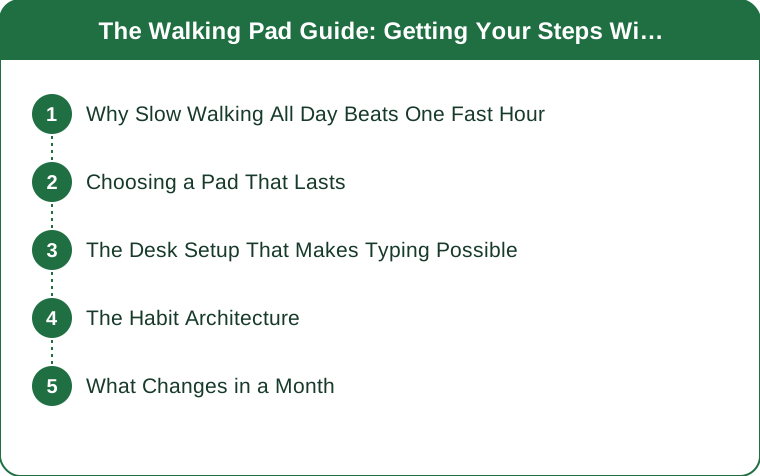
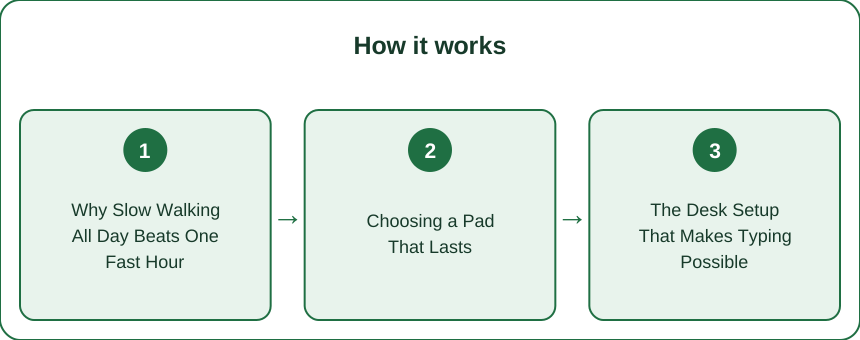
Why Slow Walking All Day Beats One Fast Hour
The enemy is not missing workouts; it is unbroken stillness — hours of it suppress the metabolic machinery that processes blood sugar and fats, and research shows even dedicated exercisers cannot fully offset a fully sedentary day. Walking pads fix the pattern, not just the total: two to four hours of slow walking (2–3 km/h) scattered through a workday adds 6,000–10,000 steps, keeps muscles metabolically awake, and leaves your evening free. It is not exercise replacing exercise. It is un-sitting your job.
Choosing a Pad That Lasts
The market splits into flimsy and fine. Look for: a motor rated for walking with a 100kg-plus capacity (undersized motors whine and die), a walking surface at least 40cm wide, under-60cm storability if you will slide it beneath a couch, and a remote or app control you can operate mid-stride. Expect $250–500 for reliable; famous-brand pads earn their reviews. Skip running-capable hybrids unless you truly will run — walking-only models are quieter, slimmer and cheaper.

The Desk Setup That Makes Typing Possible
The skill everyone doubts — typing while walking — takes about three days at the right settings. Start at 1.5–2 km/h (embarrassingly slow is correct), standing desk raised slightly higher than your standing height to account for stride bounce, wrists resting lightly. Deep-focus writing and video calls: slow or pause. Emails, reading, calls-with-camera-off, brainstorming: walk freely. Most converts settle into a rhythm — walk the shallow work, sit or stand still for the deep work — and bank 8,000 steps before dinner without noticing.
The Habit Architecture
Walking pads die from friction, so remove all of it: pad permanently under the desk (never leaned in a closet — closet pads are dead pads), shoes or grippy socks staged beside it, and a trigger rule like every call is a walking call or first hour of email = first 2,000 steps. Track weekly step averages rather than daily perfection. Users who anchor pad time to existing work rituals report the habit surviving months and years; users who wait for motivation report excellent laundry storage.
What Changes in a Month
Consistent pad users report a suspiciously long list: afternoon energy instead of the 3pm slump (blood keeps moving), fewer stiff hips and back complaints, easier weight maintenance without diet drama, and — unexpectedly — better focus on calls, because mild movement occupies the fidgety part of the brain. Your watch will show step counts you last saw on vacation. The pad will not transform your body by August. It will quietly delete your job’s worst health side effect, which is better.
You do not need more discipline; you need your steps to happen where your hours already go. Buy a solid pad, park it under the desk permanently, and start at the humble 2 km/h that pride resists and habits require. In a month, sitting all day will feel as strange as it always should have. Your job stays the same. Your body stops paying for it.
See It in Motion
Seen here: Yoga Jogger Sweatpants with Pockets — shop it on bubblelime.com
Keep Reading
This article is for general informational and styling purposes only. Fit, sizing, and product availability may vary.