Why Your Shoes Wear Down Differently on a Walking Pad Than Outdoors
Quick Answer: Shoes worn primarily on a walking pad tend to wear down in a more concentrated, repetitive pattern at the forefoot and heel strike zones than shoes used on varied outdoor terrain, because the belt surface is perfectly flat and consistent step after step, unlike outdoor ground which naturally varies enough to spread wear more evenly.
Some walking pad users notice their shoes look more worn than expected for the mileage logged, and the flat, repetitive surface is usually why.
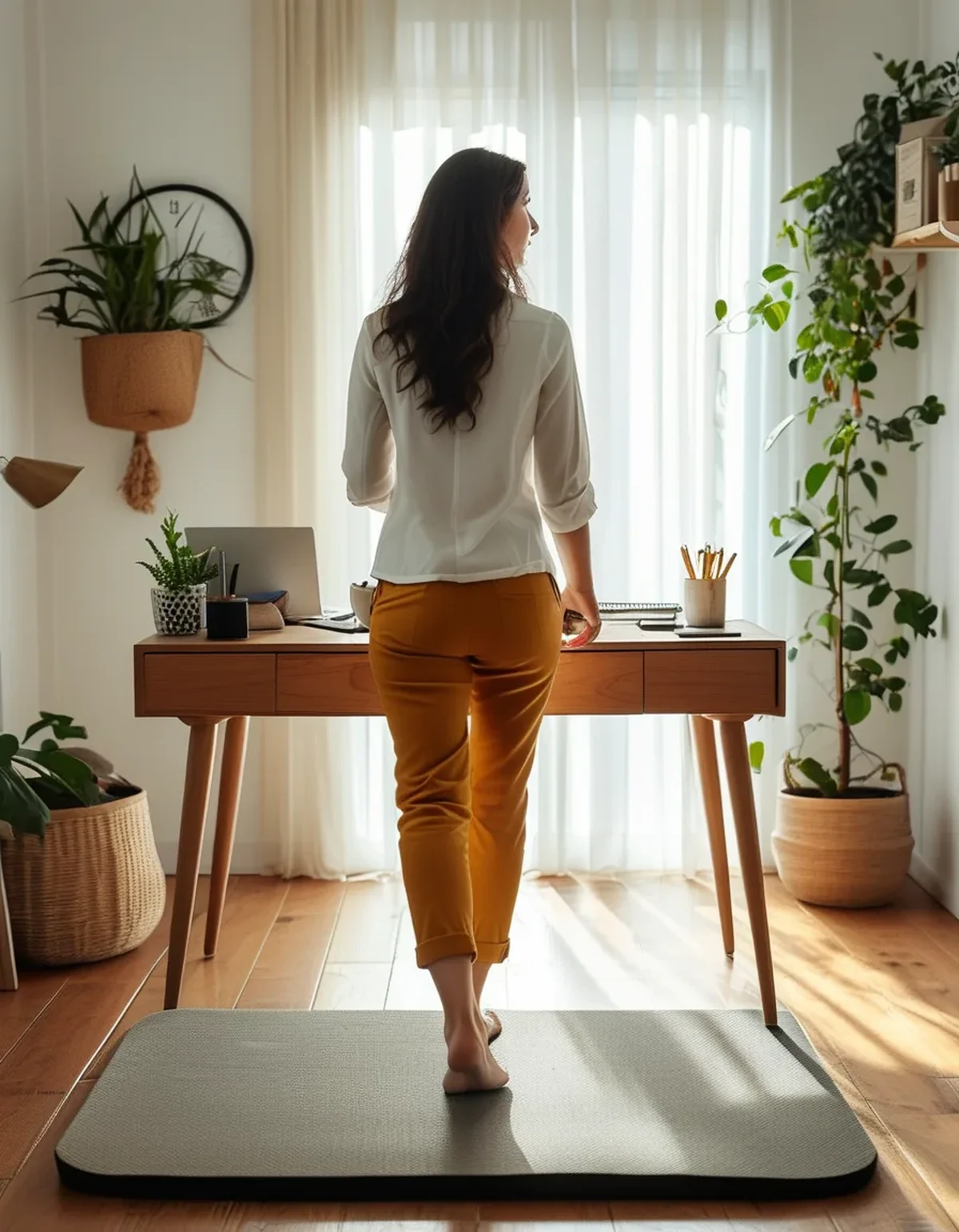
Why does a flat, consistent surface concentrate wear more?
Because outdoor terrain naturally varies in camber, texture, and incline from step to step, which spreads foot-strike pressure across slightly different points of the shoe over a walk. A walking pad’s belt surface stays perfectly flat and consistent, so the same exact points on the sole absorb impact repeatedly, concentrating wear rather than distributing it.
Does walking speed on the pad change this pattern?
Somewhat — a consistent, moderate walking pace produces a more repetitive strike pattern than varied-speed outdoor walking, where speeding up, slowing down, and navigating obstacles naturally shifts foot placement slightly. Mixing pad speed intervals during a session can help vary the strike pattern a bit, similar to how outdoor terrain does it naturally.
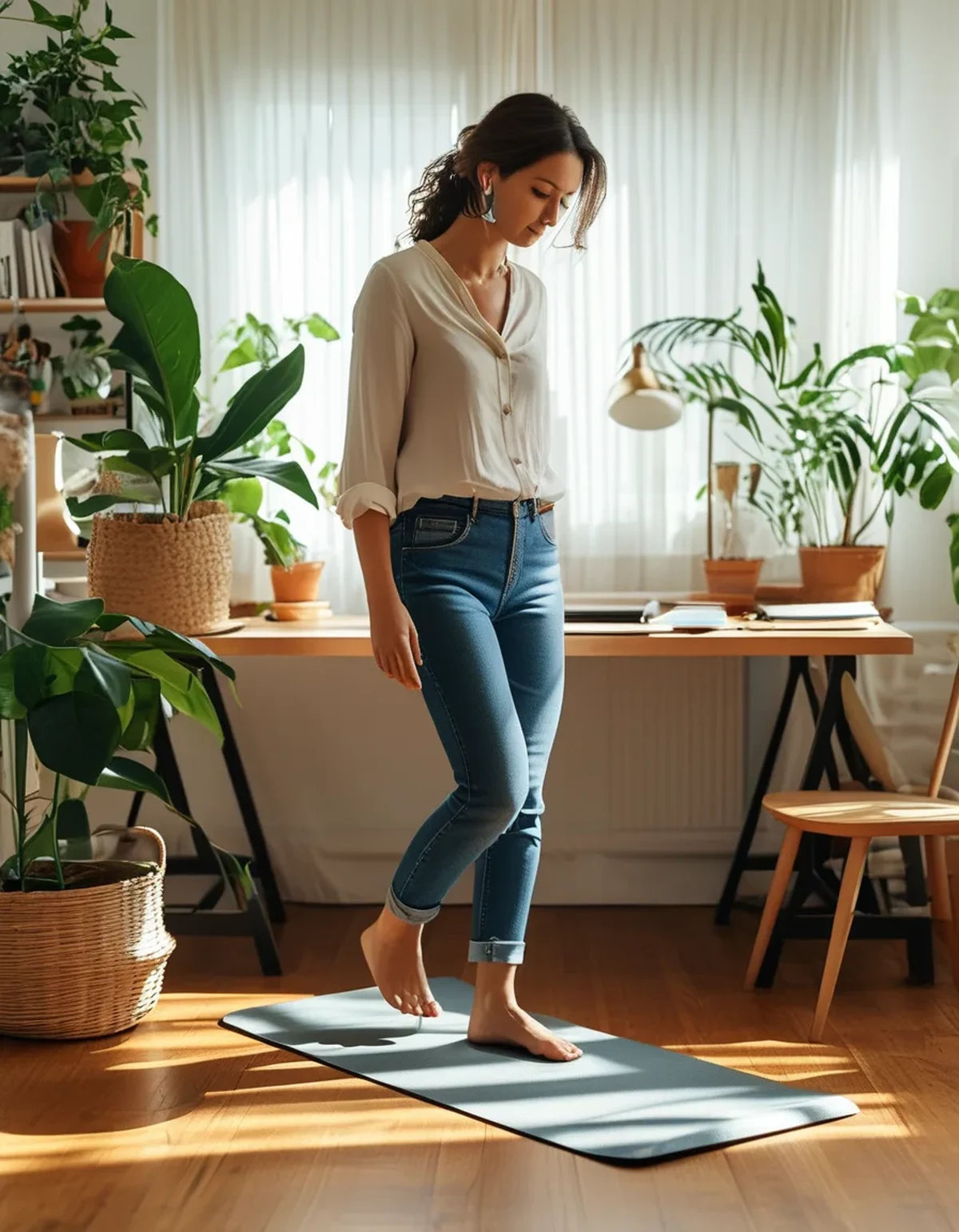
What Nobody Tells You About Belt Texture and Tread Wear
A walking pad’s belt texture, not just its flatness, affects wear rate too — a more abrasive belt surface (common on some budget models) can accelerate outsole wear compared to a smoother belt, independent of the flat-surface concentration effect. Checking belt material alongside motor specs is worth doing before buying if shoe longevity matters to you.
Should shoe rotation change for walking pad users?
Rotating between two pairs of shoes for pad sessions, the same way runners rotate training shoes, spreads concentrated wear across two soles instead of accelerating one pair’s wear pattern — a simple habit that meaningfully extends usable shoe life for regular walking pad users logging significant weekly mileage.
FAQ: Walking Pad Shoe Wear Questions, Answered
How often should walking pad shoes actually be replaced?
Watch the tread depth at the concentrated wear zones specifically, rather than going by a generic mileage number, since the wear pattern here differs enough from outdoor use that standard replacement guidelines may not transfer directly.
Do minimalist or barefoot-style shoes wear differently on a walking pad?
Yes — with less cushioning to absorb repetitive impact, minimalist shoes can show concentrated wear patterns even faster on a perfectly flat belt surface than more cushioned shoes.
Is it worth using dedicated indoor-only shoes for walking pad sessions?
Many regular users do this specifically to preserve their primary outdoor shoes, and it has the added benefit of keeping outdoor dirt and debris off the belt surface.
TL;DR:
- A walking pad’s flat, consistent surface concentrates shoe wear rather than distributing it like varied outdoor terrain
- Varying pad speed during a session can help spread the strike pattern slightly
- Belt texture itself affects wear rate independent of the flat-surface effect
- Rotating two pairs of shoes for pad sessions spreads concentrated wear across both
Judge replacement timing by the actual wear zones on your specific shoes, not a generic outdoor mileage estimate.
See It in Motion
Seen here: Super High Waist Embossed Yoga Leggings with Inner Pocket — shop it on bubblelime.com
Keep Reading
This article is for general informational and styling purposes only. Fit, sizing, and product availability may vary.