Will Your Walking Pad Actually Bother Downstairs Neighbors? What the Noise Data Says
Quick Answer: Most modern walking pads produce impact noise in the 40-60 decibel range during use — comparable to normal footstep noise or a quiet conversation — which is usually manageable for downstairs neighbors, especially with a rubber mat placed underneath to absorb vibration transfer through the floor, the actual bigger noise culprit in most complaints.
The walking pad itself usually isn’t the loud part — it’s the vibration transferring directly into the floor structure that neighbors actually notice, and that’s a specifically solvable problem.

What’s actually causing noise complaints — the motor, the belt, or footsteps?
For most modern walking pads, the motor itself is fairly quiet, typically in the 40-50 decibel range at moderate speeds — quieter than a typical treadmill motor. The more significant noise source is usually footstep impact vibration transferring through the walking pad’s frame directly into the floor, which is what travels most effectively to a downstairs unit, especially in buildings with less sound-dampening flooring construction.
This distinction matters because it points to a different, more effective fix than assuming the machine itself needs to be quieter.
Does placing a mat under the walking pad actually make a meaningful difference?
Yes, significantly — a dedicated rubber or foam exercise mat placed under the entire walking pad absorbs a substantial portion of impact vibration before it reaches the floor structure, which is usually the single most effective and affordable fix for reducing noise transfer to neighbors below.
Many walking pad manufacturers now sell purpose-built mats specifically designed for this, though a general-purpose thick rubber gym mat provides most of the same benefit.
The Desk Height and Noise Mismatch
A commonly overlooked factor is walking speed and stride pattern — many people instinctively walk faster or with a heavier heel-strike when using a walking pad under a standing desk than they would walking normally, which increases impact force and resulting noise more than the walking pad itself is responsible for.
Consciously walking at a slower, more natural pace with a lighter foot strike (rather than trying to maximize step count) both reduces noise transfer and is generally more sustainable for extended desk-walking sessions anyway.
Is there a way to actually test noise impact before committing to regular use?
Testing at different times of day while a household member listens from the floor below (or an adjacent room simulating that distance) gives a realistic sense of actual noise transfer in your specific building’s construction, since sound transmission varies significantly between buildings with concrete vs. wood floor construction.
Starting with shorter sessions and a placed mat, then adjusting speed or timing based on that real feedback, is more reliable than assuming noise level based on general specifications alone.
FAQ: Walking Pad Noise Questions, Answered
Are quieter walking pad models worth paying more for specifically?
If noise is a primary concern, checking a model’s stated decibel rating and reviews specifically mentioning noise is worth the research, though mat placement typically matters more than model choice alone.
Does walking pad speed significantly affect noise level?
Yes — higher speeds generally increase both motor noise and impact force, so keeping to lower, walking-appropriate speeds (rather than jogging speeds) reduces overall noise output.
Is it worth talking to downstairs neighbors proactively before starting regular use?
A brief, friendly heads-up and an invitation for them to mention if it becomes an issue tends to prevent noise concerns from becoming actual conflicts later.
TL;DR:
- Most walking pad motor noise falls in a manageable 40-50 decibel range on its own
- Impact vibration transferring through the floor, not motor noise, is the bigger factor in neighbor complaints
- A rubber or foam mat placed under the entire unit is the most effective, affordable fix
- Walking at a natural pace with a lighter foot strike further reduces impact noise transfer
A walking pad and considerate downstairs neighbors aren’t actually incompatible — a simple mat and a natural walking pace solve most of the real noise concern.
See It in Motion
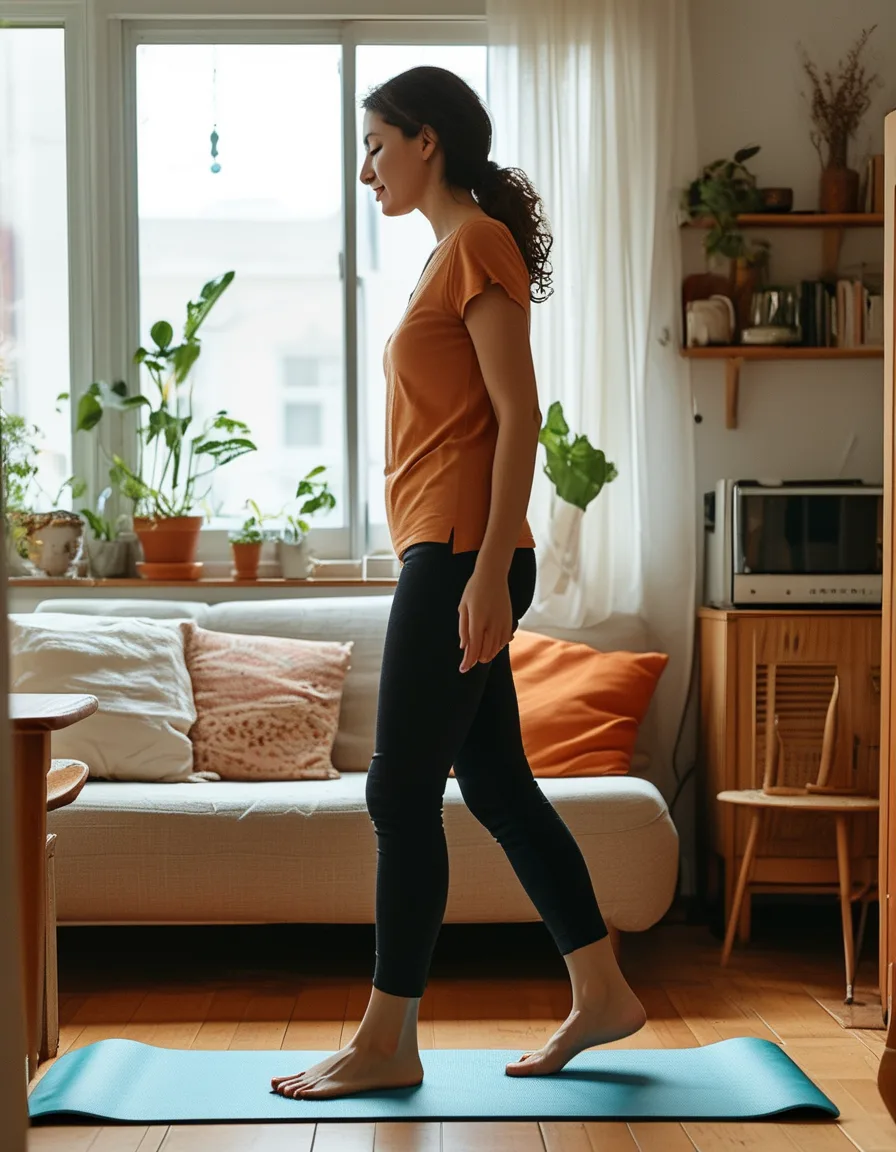
Seen here: Super High Waist Embossed Yoga Leggings with Inner Pocket — shop it on bubblelime.com
Keep Reading
This article is for general informational and styling purposes only. Fit, sizing, and product availability may vary.