Is a Walking Pad Worth It If You Already Walk Outside?
Quick Answer: A walking pad adds value even for regular outdoor walkers because it captures steps during time you’d otherwise be sitting — like work calls or TV — rather than competing with your outdoor walk time.
You already hit a decent step count most days on outdoor walks, so a walking pad feels redundant sitting in the corner. But the two aren’t really competing for the same time slot — one replaces your commute or evening stroll, the other replaces sitting.
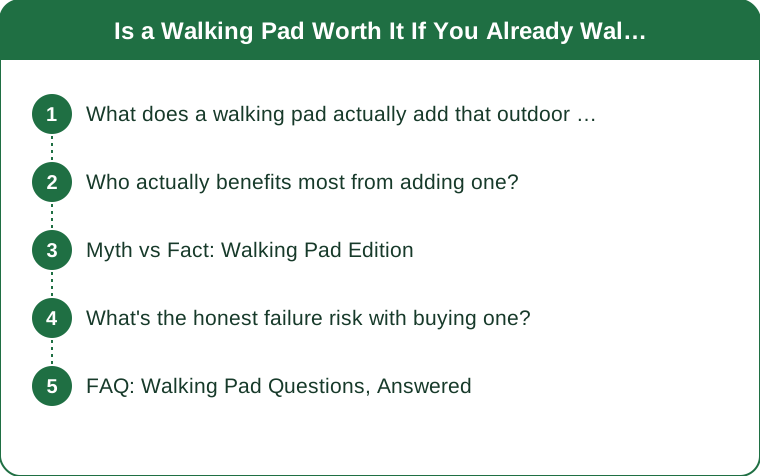
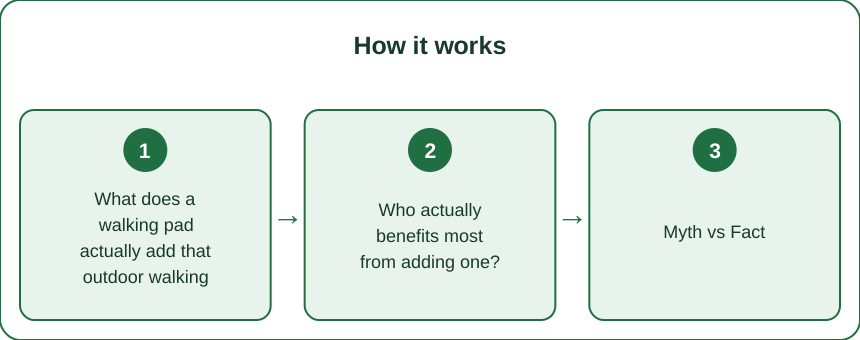
What does a walking pad actually add that outdoor walking doesn’t?
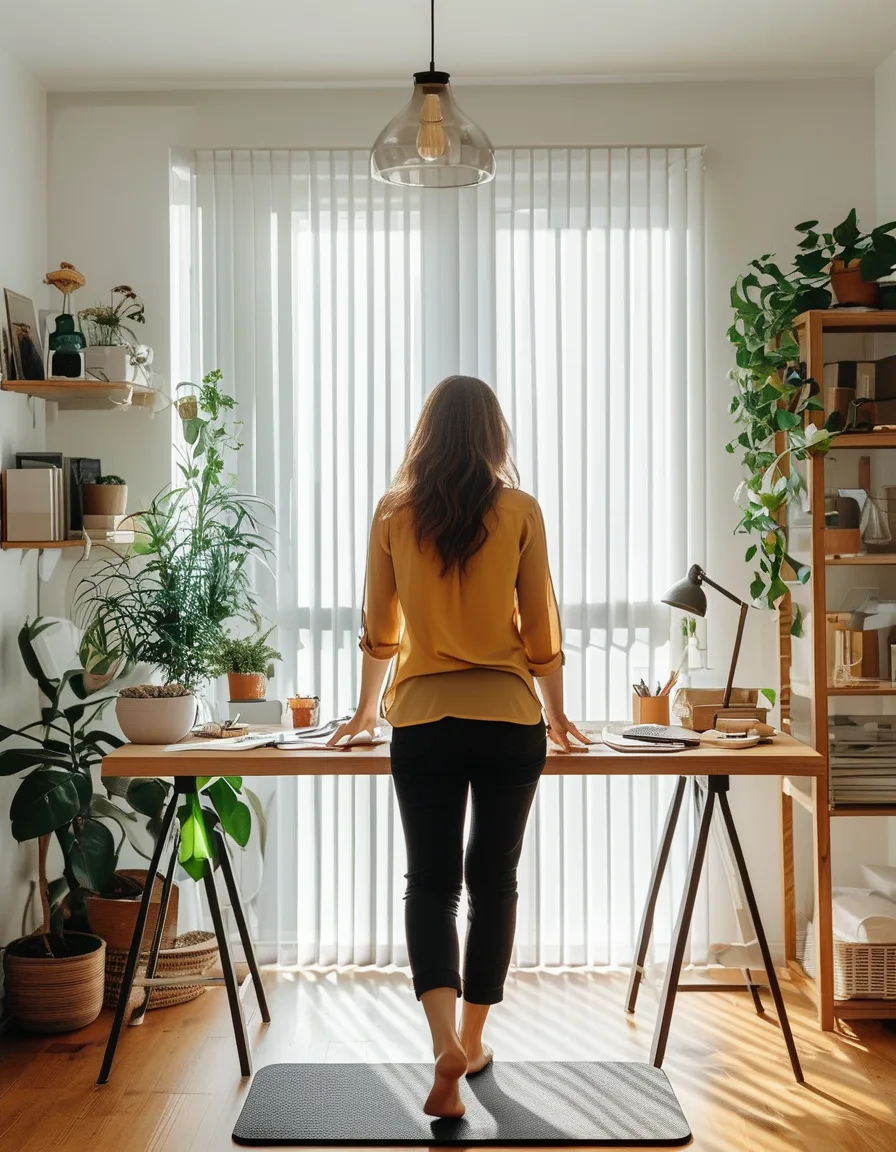
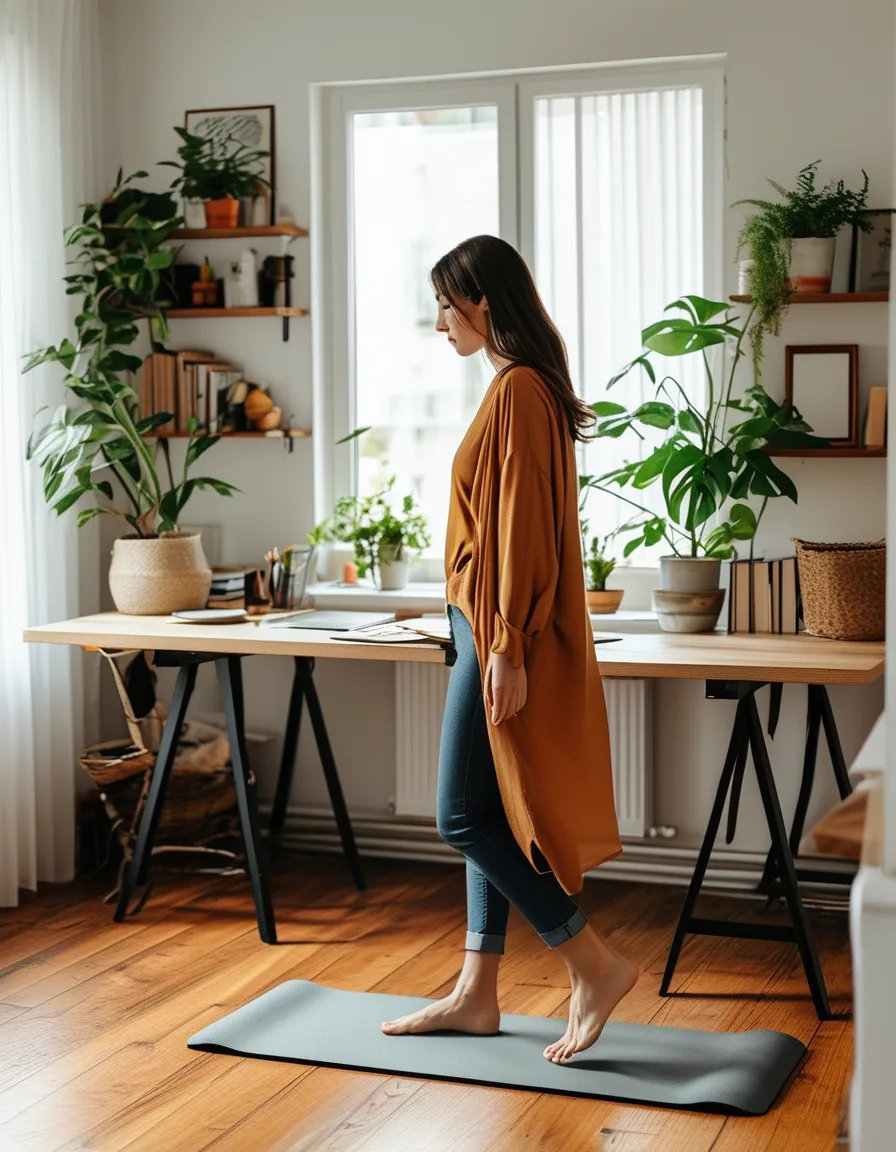
Access during dead time — the hour on a work call, the show you’re watching anyway, the early morning before it’s light outside. A walking pad turns sitting time into step time without requiring a dedicated walk-shaped block of your schedule.
Outdoor walking still wins for vitamin D, mental reset, and varied terrain — the two genuinely serve different slots in a day rather than replacing each other.
Who actually benefits most from adding one?
People with desk jobs and inconsistent outdoor time see the biggest lift — walking pad users in step-tracking studies often add 2,000-4,000 extra daily steps specifically during work hours, steps that wouldn’t have happened otherwise.
If you already work outdoors, have a very active job, or reliably hit 8,000+ steps from your regular routine, a walking pad adds much less marginal benefit and may just become a laundry rack.
Myth vs Fact: Walking Pad Edition
Myth: A walking pad replaces the need for an outdoor walk. Fact: They serve different time slots — pad for desk hours, outdoors for the mental and light-exposure benefits a treadmill can’t replicate.
Myth: You need to walk fast on a walking pad for it to count. Fact: Even 2-2.5 mph while working adds meaningful daily steps — speed matters less than consistency for this use case specifically.
Myth: Walking pads are basically all the same. Fact: Belt size, weight capacity, and noise level vary enormously — a bad match to your space (like a too-short belt for your stride) is the top reason they end up unused.
What’s the honest failure risk with buying one?
The most common reason walking pads end up unused within 3 months isn’t the product — it’s buying one without a clear daily-use slot already identified, like ‘during my 10am and 2pm calls.’
Before buying, test the habit for a week: stand at your desk during two specific daily windows. If that habit sticks, a walking pad amplifies it. If standing alone doesn’t stick, the pad likely won’t either.
FAQ: Walking Pad Questions, Answered
Do I need a walking pad if I already hit 10,000 steps outside?
Probably not essential — the marginal benefit is smaller when you’re already consistently active. It’s most valuable for filling gaps, not stacking onto an already-high total.
Can you actually work effectively while using a walking pad?
Yes, for reading, calls, and light typing at slow speeds (under 2.5 mph) — most people find complex typing tasks harder while walking and save those for standing or sitting instead.
How much daily use justifies the cost of a walking pad?
Roughly 20-30 minutes most weekdays is where most owners feel it paid for itself within the first few months through consistent extra steps.
TL;DR:
- A walking pad fills sitting time, not outdoor walk time — they’re complementary, not competing
- Desk-job workers see the biggest step gains (2,000-4,000+ extra daily steps)
- Test the daily-use habit with standing alone for a week before buying
- Already active outdoors? The marginal benefit is real but smaller
If you can name the exact daily window you’d use it, a walking pad usually earns its keep. If you can’t, save the money.
See It in Motion
Seen here: Super High Waist Embossed Yoga Leggings with Inner Pocket — shop it on bubblelime.com
Keep Reading
This article is for general informational and styling purposes only. Fit, sizing, and product availability may vary.